FAQs

Frequently Asked Questions

Switching to solar energy in Pakistan offers numerous benefits. Firstly, it leads to reduced electricity bills over time, providing long-term savings. Additionally, solar energy is environmentally friendly and sustainable, contributing to the reduction of greenhouse gas emissions and mitigating climate change effects. It also decreases reliance on traditional fossil fuels, which are finite resources, making solar power a more secure energy option for the future. Moreover, adopting solar energy can increase the value of your property and may qualify you for various government incentives and subsidies, making it a financially viable and eco-conscious choice.

Solar panel installation begins with an initial site assessment and consultation to determine the suitability of your property for solar energy generation. This includes evaluating factors such as roof orientation, available space, and energy consumption patterns. After designing a customized solar system based on these assessments, professional technicians install the solar panels, inverters, and other necessary equipment. Once installed, the system undergoes testing and commissioning to ensure optimal performance and efficiency.

Before installing a solar power system on your property, several factors should be considered. These include the orientation and available space on your roof or property, your energy consumption and usage patterns, your budget and financing options, and the solar potential based on your location and climate. By carefully considering these factors, you can ensure that your solar installation meets your energy needs and financial goals effectively.

Yes, there are various government incentives and subsidies available for solar installations in Pakistan. These incentives may include net metering policies, solar renewable energy certificates (SRECs), tax credits, rebates, and grants. These incentives can significantly reduce the upfront cost of installing a solar power system and improve the financial viability of solar energy adoption for residential and commercial properties.

The average payback period for a solar power system in Pakistan typically ranges from 5 to 7 years, depending on factors such as the system size, energy savings achieved, available incentives, and financing options. After the payback period, the solar power system continues to generate electricity, providing long-term savings and a return on investment.

Solar panels can still work effectively in cloudy or rainy weather conditions, although their energy production may be reduced compared to sunny days. Modern solar panels are designed to capture diffused sunlight and convert it into electricity, allowing them to generate power even when direct sunlight is limited. However, the overall energy output may vary based on weather conditions and the specific design and orientation of the solar panel system.

Maintaining and monitoring the performance of your solar panels is essential to ensure optimal efficiency and longevity. Regular maintenance tasks include cleaning the solar panels to remove dirt, dust, and debris that can reduce their energy production. Monitoring systems can also be installed to track the performance of your solar panels, including energy generation, system efficiency, and any potential issues that may require attention. By proactively maintaining and monitoring your solar panels, you can maximize their performance and lifespan, ensuring a reliable and sustainable source of energy for your home or business.

Several types of warranties are offered for solar panels and related equipment. These warranties typically include a manufacturer warranty for the solar panels, which covers defects in materials and workmanship. Additionally, installation warranties may be provided by the solar installer, ensuring that the installation work is performed correctly and meets industry standards. It's important to review and understand the warranties offered for your solar power system, as they provide protection and assurance for your investment in renewable energy.

Yes, solar energy can power your entire home or business, including appliances and HVAC systems. By properly sizing and designing a solar power system based on your energy consumption needs, you can generate enough electricity from solar panels to meet your daily energy demands. This includes powering lighting, heating, cooling, refrigeration, electronics, and other electrical devices commonly used in residential and commercial buildings. With advancements in solar technology and energy storage solutions, solar energy can provide a reliable and sustainable source of power for various applications, reducing reliance on grid electricity and fossil fuels.
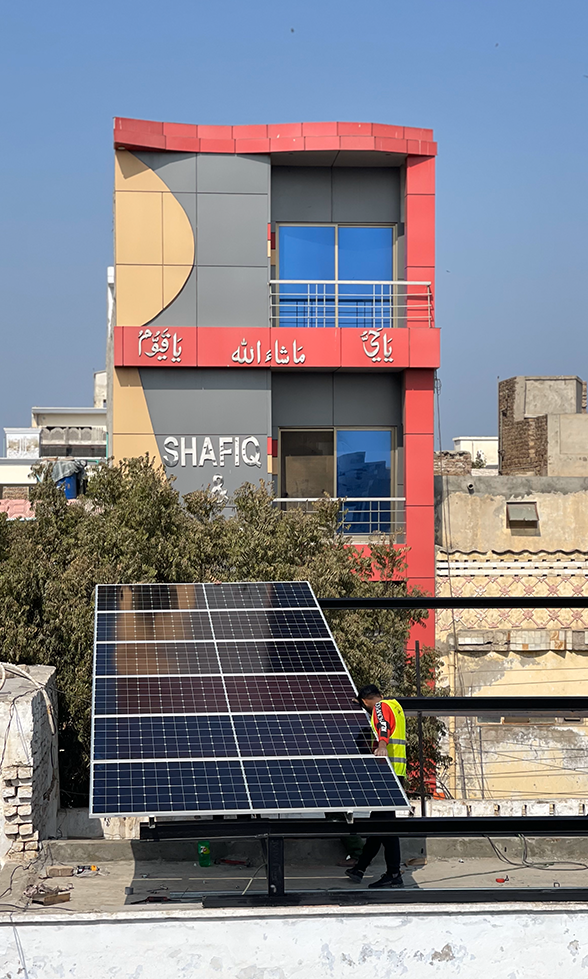
Using solar energy offers several environmental benefits compared to traditional fossil fuels. Firstly, solar energy generates electricity without producing harmful greenhouse gas emissions, helping to mitigate climate change and reduce air pollution. Solar power also conserves natural resources by harnessing energy from the sun, which is a renewable and abundant source of energy. Additionally, solar energy reduces reliance on finite fossil fuels such as coal, oil, and natural gas, which are major contributors to environmental degradation and global warming. By transitioning to solar energy, individuals and businesses can contribute to a cleaner, greener planet and create a more sustainable future for generations to come.